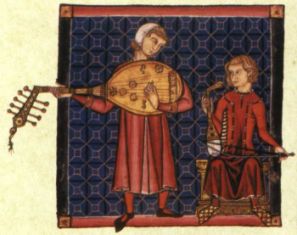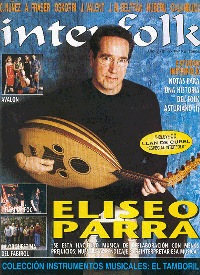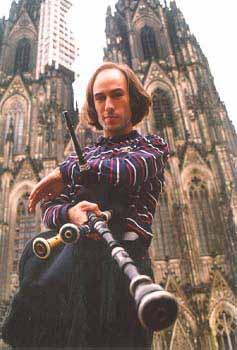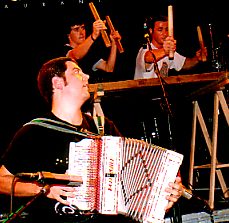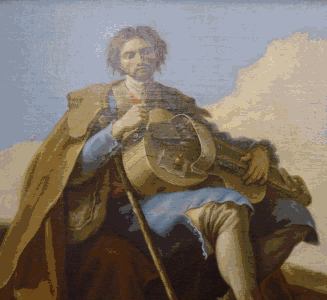
ÿþ<html> <head><title>FolkWorld Article: EURO 2008</title></head> <body bgcolor="#FFF2E6" link="#DC143C" alink="#FF3300" vlink="#4B0082"> <p><font size=4 color="4169e1"><font FACE="Maiandra GD">FolkWorld</font> Issue 36 07/2008; Article from Wikipedia, the free encyclopedia</font> </p> <p><font FACE="Maiandra GD" size=-1 color="4169e1"> Albania - Andorra - <b>Austria</b> - Belarus - Belgium - Bosnia and Herzegovina - Bulgaria - <b>Croatia</b> - Cyprus - <b>Czech Republic</b> - Denmark - Estonia - Finland - <b>France</b> - <b>Germany</b> - <b>Greece</b> - Hungary - Iceland - Ireland - <b>Italy</b> - Latvia - Liechtenstein - Lithuania - Luxembourg - Macedonia - Malta - Moldova - Monaco - Montenegro - <b>Netherlands</b> - Norway - <b>Poland</b> - <b>Portugal</b> - <b>Romania</b> - <b>Russia</b> - San Marino - Serbia - Slovakia - Slovenia - <b>Spain</b> - <b>Sweden</b> - <b>Switzerland</b> - <b>Turkey</b> - Ukraine - United Kingdom </font> <p><img src="../../34/p/europe.gif" width=100 height=90 vspace=5 hspace=15 alt="" align=left> <img src="../../34/p/europe.gif" width=100 height=90 vspace=5 hspace=15 alt="" align=right> <center> <p><b><FONT COLOR="#ff0000" size=7>Expect Emotions</FONT></b> <p><FONT color="#008000" size=5><b>UEFA Euro '08, 8-29 June 2008</b></font> </CENTER> <br><br> <p><font size=4> The European Football Championship in Austria and Switzerland captivated the masses in June 2008. Culture and the arts were at a low. (Though some journalists credited the 2006 World Championship in Germany for an unexpected upsurge of German folk song CDs.) Be a sports enthusiast, be rather indifferent or just hate it, take the opportunity and follow us to FolkWorld's European Music Championship... and the <i>Music of Spain</i>. We share the same slogan: Expect Emotions! As UEFA president Michel Platini stated, "it describes in a nutshell what we have to offer: all kinds of emotions - joy, disappointment, relief or high tension." </font></p> <p><a name="Origins" id="Origins"></a></p> <h2><span class="mw-headline">Music of Spain: Origins</span></h2> <p><a name="Early_history" id="Early_history"></a></p> <h3><span class="mw-headline">Early history</span></h3> <p>In Spain, several very different cultural streams came together in the first centuries of the <a href="http://en.wikipedia.org/wiki/Christianity" title="Christianity">Christian</a> era: the <a href="http://en.wikipedia.org/wiki/Roman_Empire" title="Roman Empire">Roman</a> culture, which was dominant for several hundred years, and which brought with it the music and ideas of <a href="http://en.wikipedia.org/wiki/Ancient_Greece" title="Ancient Greece">Ancient Greece</a>; early Christians, who had their own version of the Roman Rite; the <a href="http://en.wikipedia.org/wiki/Visigoths" title="Visigoths">Visigoths</a>, an <a href="http://en.wikipedia.org/wiki/East_Germanic_tribe" class="mw-redirect" title="East Germanic tribe">East Germanic tribe</a> who overran the <a href="http://en.wikipedia.org/wiki/Iberian_peninsula" class="mw-redirect" title="Iberian peninsula">Iberian peninsula</a> in the <a href="http://en.wikipedia.org/wiki/5th_century" title="5th century">fifth century</a>; <a name="euro"></a><table width=303 align="left" bgcolor="#ffebcd" cellpadding=5 border=5 bordercolor="#FFF2E6"> <tr><td> <font size=-1><p>The <b>2008 UEFA European Football Championship</b>, commonly referred to as <b>Euro 2008</b>, was the 13th <a href="http://en.wikipedia.org/wiki/UEFA_European_Football_Championship" title="UEFA European Football Championship">UEFA European Football Championship</a>, a quad-rennial <a href="http://en.wikipedia.org/wiki/Association_football" title="Association football">football</a> tournament for <a href="http://en.wikipedia.org/wiki/Europe" title="Europe">European</a> nations. The tournament, which was hosted by <a href="http://en.wikipedia.org/wiki/Austria" title="Austria">Austria</a> and <a href="http://en.wikipedia.org/wiki/Switzerland" title="Switzerland">Switzerland</a>, began on <a href="http://en.wikipedia.org/wiki/June_7" title="June 7">7 June</a> <a href="http://en.wikipedia.org/wiki/2008" title="2008">2008</a> and concluded with the final at <a href="http://en.wikipedia.org/wiki/Ernst_Happel_Stadion" class="mw-redirect" title="Ernst Happel Stadion">Ernst Happel Stadion</a> in <a href="http://en.wikipedia.org/wiki/Vienna" title="Vienna">Vienna</a> on <a href="http://en.wikipedia.org/wiki/June_29" title="June 29">29 June</a> <a href="http://en.wikipedia.org/wiki/2008" title="2008">2008</a>. It was the second successful joint bid in the competition's history. <a href="http://en.wikipedia.org/wiki/Greece_national_football_team" title="Greece national football team">Greece</a> were the defending champions going into the tournament, having won <a href="http://en.wikipedia.org/wiki/UEFA_Euro_2004" title="UEFA Euro 2004">the previous tournament</a>. <a href="http://en.wikipedia.org/wiki/Spain_national_football_team" title="Spain national football team">Spain</a> won the tournament by defeating <a href="http://en.wikipedia.org/wiki/Germany_national_football_team" title="Germany national football team">Germany</a> 1 0 in the <a href="http://en.wikipedia.org/wiki/UEFA_Euro_2008_Final" title="UEFA Euro 2008 Final">final</a>. This was only the second time in the history of the tournament that the winning team won all their matches in the group stage; the other team to do so was France in <a href="http://en.wikipedia.org/wiki/UEFA_Euro_1984_Final" title="UEFA Euro 1984 Final">1984</a>. [<a href="http://en.wikipedia.org/wiki/UEFA_Euro_2008">en.wikipedia.org</a>] </font></p> <table border=0> <tr><td> <a href="../../34/d/swiss.html">Switzerland</a> </td><td><IMG SRC="../../p/switzerland.gif" border=1 width=15 height=12 alt=""></td><td> </td><td> 0-1 </td><td> </td><td><IMG SRC="../../p/czech.gif" border=1 width=15 height=12 alt=""></td><td> <a href="../../32/e/indies.html">Czech Republic</a> </td></tr> <tr><td> <a href="../../19/e/dancas.html">Portugal</a> </td><td><IMG SRC="../../p/portugal.gif" border=1 width=15 height=12 alt=""></td><td> </td><td> 2-0 </td><td> </td><td><IMG SRC="../../p/turkey.gif" border=1 width=15 height=12 alt=""></td><td> <a href="../../32/e/cds6.html#ott">Turkey</a> </td></tr> <tr><td> <a href="../../34/d/austro.html">Austria</a> </td><td><IMG SRC="../../p/austria.gif" border=1 width=15 height=12 alt=""></td><td> </td><td> 0-1 </td><td> </td><td><IMG SRC="../../p/croatia.gif" border=1 width=15 height=12 alt=""></td><td> <a href="../../32/e/bajuk.html">Croatia</a> </td></tr> <tr><td> <a HREF="../../9/e/profolk.html">Germany</a> </td><td><IMG SRC="../../p/germany.gif" border=1 width=15 height=12 alt=""></td><td> </td><td> 2-0 </td><td> </td><td><IMG SRC="../../p/poland.gif" border=1 width=15 height=12 alt=""></td><td> <a href="../../21/e/poland.html">Poland</a> </td></tr> <tr><td> <a href="../../33/e/cds3.html#fanf">Romania</a> </td><td><IMG SRC="../../p/romania.gif" border=1 width=15 height=12 alt=""></td><td> </td><td> 0-0 </td><td> </td><td><IMG SRC="../../p/france.gif" border=1 width=15 height=12 alt=""></td><td> <a href="../../28/e/cds5.html#trad">France</a> </td></tr> <tr><td> <a href="../../34/e/dutch.html">Netherlands</a> </td><td><IMG SRC="../../p/netherlands.gif" border=1 width=15 height=12 alt=""></td><td> </td><td> 3-0 </td><td> </td><td><IMG SRC="../../p/italy.gif" border=1 width=15 height=12 alt=""></td><td> <a href="../../17/d/cds1.html#ital">Italy</a> </td></tr> <tr><td> <a href="../../24/e/spain.html">Spain</a> </td><td><IMG SRC="../../p/spain.gif" border=1 width=15 height=12 alt=""></td><td> </td><td> 4-1 </td><td> </td><td><IMG SRC="../../p/russia.gif" border=1 width=15 height=12 alt=""></td><td> <a href="../../32/e/cds6.html#ske">Russia</a> </td></tr> <tr><td> <a href="../../27/d/nwache07.html#rebetiko">Greece</a> </td><td><IMG SRC="../../p/greece.gif" border=1 width=15 height=12 alt=""></td><td> </td><td> 0-2 </td><td> </td><td><IMG SRC="../../p/sweden.gif" border=1 width=15 height=12 alt=""></td><td> <a href="../../12/e/cds2.html#negc">Sweden</a> </td></tr> <tr><td> <a href="../../32/e/indies.html">Czech Republic</a> </td><td><IMG SRC="../../p/czech.gif" border=1 width=15 height=12 alt=""></td><td> </td><td> 1-3 </td><td> </td><td><IMG SRC="../../p/portugal.gif" border=1 width=15 height=12 alt=""></td><td> <a href="../../19/e/dancas.html">Portugal</a> </td></tr> <tr><td> <a href="../../34/d/swiss.html">Switzerland</a> </td><td><IMG SRC="../../p/switzerland.gif" border=1 width=15 height=12 alt=""></td><td> </td><td> 1-2 </td><td> </td><td><IMG SRC="../../p/turkey.gif" border=1 width=15 height=12 alt=""></td><td> <a href="../../32/e/cds6.html#ott">Turkey</a> </td></tr> <tr><td> <a href="../../32/e/bajuk.html">Croatia</a> </td><td><IMG SRC="../../p/croatia.gif" border=1 width=15 height=12 alt=""></td><td> </td><td> 2-1 </td><td> </td><td><IMG SRC="../../p/germany.gif" border=1 width=15 height=12 alt=""></td><td> <a HREF="../../9/e/profolk.html">Germany</a> </td></tr> <tr><td> <a href="../../34/d/austro.html">Austria</a> </td><td><IMG SRC="../../p/austria.gif" border=1 width=15 height=12 alt=""></td><td> </td><td> 1-1 </td><td> </td><td><IMG SRC="../../p/poland.gif" border=1 width=15 height=12 alt=""></td><td> <a href="../../21/e/poland.html">Poland</a> </td></tr> <tr><td> <a href="../../17/d/cds1.html#ital">Italy</a> </td><td><IMG SRC="../../p/italy.gif" border=1 width=15 height=12 alt=""></td><td> </td><td> 1-1 </td><td> </td><td><IMG SRC="../../p/romania.gif" border=1 width=15 height=12 alt=""></td><td> <a href="../../33/e/cds3.html#fanf">Romania</a> </td></tr> <tr><td> <a href="../../34/e/dutch.html">Netherlands</a> </td><td><IMG SRC="../../p/netherlands.gif" border=1 width=15 height=12 alt=""></td><td> </td><td> 4-1 </td><td> </td><td><IMG SRC="../../p/france.gif" border=1 width=15 height=12 alt=""></td><td> <a href="../../28/e/cds5.html#trad">France</a> </td></tr> <tr><td> <a href="../../12/e/cds2.html#negc">Sweden</a> </td><td><IMG SRC="../../p/sweden.gif" border=1 width=15 height=12 alt=""></td><td> </td><td> 1-2 </td><td> </td><td><IMG SRC="../../p/spain.gif" border=1 width=15 height=12 alt=""></td><td> <a href="../../24/e/spain.html">Spain</a> </td></tr> <tr><td> <a href="../../27/d/nwache07.html#rebetiko">Greece</a> </td><td><IMG SRC="../../p/greece.gif" border=1 width=15 height=12 alt=""></td><td> </td><td> 0-1 </td><td> </td><td><IMG SRC="../../p/russia.gif" border=1 width=15 height=12 alt=""></td><td> <a href="../../32/e/cds6.html#ske">Russia</a> </td></tr> <tr><td> <a href="../../34/d/swiss.html">Switzerland</a> </td><td><IMG SRC="../../p/switzerland.gif" border=1 width=15 height=12 alt=""></td><td> </td><td> 2-0 </td><td> </td><td><IMG SRC="../../p/portugal.gif" border=1 width=15 height=12 alt=""></td><td> <a href="../../19/e/dancas.html">Portugal</a> </td></tr> <tr><td> <a href="../../32/e/cds6.html#ott">Turkey</a> </td><td><IMG SRC="../../p/turkey.gif" border=1 width=15 height=12 alt=""></td><td> </td><td> 3-2 </td><td> </td><td><IMG SRC="../../p/czech.gif" border=1 width=15 height=12 alt=""></td><td> <a href="../../32/e/indies.html">Czech Republic</a> </td></tr> <tr><td> <a href="../../21/e/poland.html">Poland</a> </td><td><IMG SRC="../../p/poland.gif" border=1 width=15 height=12 alt=""></td><td> </td><td> 0-1 </td><td> </td><td><IMG SRC="../../p/croatia.gif" border=1 width=15 height=12 alt=""></td><td> <a href="../../32/e/bajuk.html">Croatia</a> </td></tr> <tr><td> <a href="../../34/d/austro.html">Austria</a> </td><td><IMG SRC="../../p/austria.gif" border=1 width=15 height=12 alt=""></td><td> </td><td> 0-1 </td><td> </td><td><IMG SRC="../../p/germany.gif" border=1 width=15 height=12 alt=""></td><td> <a HREF="../../9/e/profolk.html">Germany</a> </td></tr> <tr><td> <a href="../../34/e/dutch.html">Netherlands</a> </td><td><IMG SRC="../../p/netherlands.gif" border=1 width=15 height=12 alt=""></td><td> </td><td> 2-0 </td><td> </td><td><IMG SRC="../../p/romania.gif" border=1 width=15 height=12 alt=""></td><td> <a href="../../33/e/cds3.html#fanf">Romania</a> </td></tr> <tr><td> <a href="../../28/e/cds5.html#trad">France</a> </td><td><IMG SRC="../../p/france.gif" border=1 width=15 height=12 alt=""></td><td> </td><td> 0-2 </td><td> </td><td><IMG SRC="../../p/italy.gif" border=1 width=15 height=12 alt=""></td><td> <a href="../../17/d/cds1.html#ital">Italy</a> </td></tr> <tr><td> <a href="../../27/d/nwache07.html#rebetiko">Greece</a> </td><td><IMG SRC="../../p/greece.gif" border=1 width=15 height=12 alt=""></td><td> </td><td> 1-2 </td><td> </td><td><IMG SRC="../../p/spain.gif" border=1 width=15 height=12 alt=""></td><td> <a href="../../24/e/spain.html">Spain</a> </td></tr> <tr><td> <a href="../../32/e/cds6.html#ske">Russia</a> </td><td><IMG SRC="../../p/russia.gif" border=1 width=15 height=12 alt=""></td><td> </td><td> 2-0 </td><td> </td><td><IMG SRC="../../p/sweden.gif" border=1 width=15 height=12 alt=""></td><td> <a href="../../12/e/cds2.html#negc">Sweden</a> </td></tr> <tr><td> <a href="../../19/e/dancas.html">Portugal</a> </td><td><IMG SRC="../../p/portugal.gif" border=1 width=15 height=12 alt=""></td><td> </td><td> 2-3 </td><td> </td><td><IMG SRC="../../p/germany.gif" border=1 width=15 height=12 alt=""></td><td> <a HREF="../../9/e/profolk.html">Germany</a> </td></tr> <tr><td> <a href="../../32/e/bajuk.html">Croatia</a> </td><td><IMG SRC="../../p/croatia.gif" border=1 width=15 height=12 alt=""></td><td> </td><td> 1-3 </td><td> </td><td><IMG SRC="../../p/turkey.gif" border=1 width=15 height=12 alt=""></td><td> <a href="../../32/e/cds6.html#ott">Turkey</a> </td></tr> <tr><td> <a href="../../34/e/dutch.html">Netherlands</a> </td><td><IMG SRC="../../p/netherlands.gif" border=1 width=15 height=12 alt=""></td><td> </td><td> 1-3 </td><td> </td><td><IMG SRC="../../p/russia.gif" border=1 width=15 height=12 alt=""></td><td> <a href="../../32/e/cds6.html#ske">Russia</a> </td></tr> <tr><td> <a href="../../24/e/spain.html">Spain</a> </td><td><IMG SRC="../../p/spain.gif" border=1 width=15 height=12 alt=""></td><td> </td><td> 4-2 </td><td> </td><td><IMG SRC="../../p/italy.gif" border=1 width=15 height=12 alt=""></td><td> <a href="../../17/d/cds1.html#ital">Italy</a> </td></tr> <tr><td> <a HREF="../../9/e/profolk.html">Germany</a> </td><td><IMG SRC="../../p/germany.gif" border=1 width=15 height=12 alt=""></td><td> </td><td> 3-2 </td><td> </td><td><IMG SRC="../../p/turkey.gif" border=1 width=15 height=12 alt=""></td><td> <a href="../../32/e/cds6.html#ott">Turkey</a> </td></tr> <tr><td> <a href="../../32/e/cds6.html#ske">Russia</a> </td><td><IMG SRC="../../p/russia.gif" border=1 width=15 height=12 alt=""></td><td> </td><td> 0-3 </td><td> </td><td><IMG SRC="../../p/spain.gif" border=1 width=15 height=12 alt=""></td><td> <a href="../../24/e/spain.html">Spain</a> </td></tr> <tr><td> <a HREF="../../9/e/profolk.html">Germany</a> </td><td><IMG SRC="../../p/germany.gif" border=1 width=15 height=12 alt=""></td><td> </td><td> 0-1 </td><td> </td><td><IMG SRC="../../p/spain.gif" border=1 width=15 height=12 alt=""></td><td> <a href="../../24/e/spain.html">Spain</a> </td></tr> </table> <p><center <b><a href="http://www.euro2008.uefa.com/">www.euro2008.uefa.com</a></b> </center> </td></tr> </table> <a href="http://en.wikipedia.org/wiki/Jews" class="mw-redirect" title="Jews">Jews</a> of the <a href="http://en.wikipedia.org/wiki/Diaspora" title="Diaspora">diaspora</a>; and eventually the <a href="http://en.wikipedia.org/wiki/Arabs" class="mw-redirect" title="Arabs">Arabs</a>, or the <a href="http://en.wikipedia.org/wiki/Moors" title="Moors">Moors</a> as the group was sometimes known. Determining exactly which spices flavored the stew, and in what proportion, is difficult after almost two thousand years, but the result was a number of musical styles and traditions, some of them considerably different from what developed in the rest of Europe.</p> <p><a href="http://en.wikipedia.org/wiki/Isidore_of_Seville" title="Isidore of Seville">Isidore of Seville</a> wrote about music in the <a href="http://en.wikipedia.org/wiki/6th_century" title="6th century">sixth century</a>. His influences were predominantly <a href="http://en.wikipedia.org/wiki/Greece" title="Greece">Greek</a>, and yet he was an original thinker, and recorded some of the first information about the early music of the Christian church. He perhaps is most famous in music history for declaring that it was not possible to notate sounds an assertion which reveals his ignorance of the notational system of ancient Greece, so that knowledge had to have been lost by the time he was writing.</p> <p>Under the Moors, who were usually tolerant of other religions during the seven hundred years of their influence, both Christianity and <a href="http://en.wikipedia.org/wiki/Judaism" title="Judaism">Judaism</a>, with their associated music and ritual, flourished. <a href="http://en.wikipedia.org/wiki/Music_notation" class="mw-redirect" title="Music notation">Music notation</a> developed in Spain as early as the <a href="http://en.wikipedia.org/wiki/8th_century" title="8th century">eighth century</a> (the so-called Visigothic <a href="http://en.wikipedia.org/wiki/Neume" title="Neume">neumes</a>) to notate the chant and other sacred <a href="http://en.wikipedia.org/wiki/Christian_music" title="Christian music">music of the Christian church</a>, but this obscure notation has not yet been deciphered by scholars, and exists only in small fragments. The music of the Christian church in Spain is known as <a href="http://en.wikipedia.org/wiki/Mozarabic_Chant" class="mw-redirect" title="Mozarabic Chant">Mozarabic Chant</a>, and developed in isolation, not subject to the enforced codification of <a href="http://en.wikipedia.org/wiki/Gregorian_chant" title="Gregorian chant">Gregorian chant</a> under the guidance of Rome around the time of Charlemagne. At the time of the <i><a href="http://en.wikipedia.org/wiki/Reconquista" title="Reconquista">reconquista</a></i>, this music was almost entirely extirpated: once Rome had control over the Christians of the Iberian peninsula, the regular Roman rite was imposed, and locally developed sacred music was banned, burned, or otherwise eliminated. The style of Spanish popular songs of the time is presumed to be closely related to the style of Moorish music. <img src="../../22/p/cantiga.jpg" VSPACE=10 HSPACE=5 ALT="Cantigas de Santa Maria (1221-84)" width=297 align=right height="235"> Music of the King <a href="http://en.wikipedia.org/wiki/Alfonso_X" class="mw-redirect" title="Alfonso X">Alfonso X</a> <a href="http://en.wikipedia.org/wiki/Cantigas_de_Santa_Maria" title="Cantigas de Santa Maria">Cantigas de Santa Maria</a> is considered likely to show influence from Islamic sources. Other important medieval sources include the <a href="http://en.wikipedia.org/wiki/Codex_Calixtinus" title="Codex Calixtinus">Codex Calixtinus</a> collection from <a href="http://en.wikipedia.org/wiki/Santiago_de_Compostela" title="Santiago de Compostela">Santiago de Compostela</a> and the <a href="http://en.wikipedia.org/wiki/Codex_Las_Huelgas" title="Codex Las Huelgas">Codex Las Huelgas</a>. The so-called <a href="http://en.wikipedia.org/wiki/Llibre_Vermell_de_Montserrat" title="Llibre Vermell de Montserrat">Llibre Vermell de Montserrat</a> (red book) is an important devotional collection from the fourteenth century.</p> <p><a name="Renaissance_and_Baroque" id="Renaissance_and_Baroque"></a></p> <h3><span class="mw-headline">Renaissance and Baroque</span></h3> <p>In the early <a href="http://en.wikipedia.org/wiki/Renaissance_music" title="Renaissance music">Renaissance</a>, Mateo Flecha el viejo and the Castillian dramatist <a href="http://en.wikipedia.org/wiki/Juan_del_Encina" title="Juan del Encina">Juan del Encina</a> rank among the main composers in the post-<a href="http://en.wikipedia.org/wiki/Ars_Nova" class="mw-redirect" title="Ars Nova">Ars Nova</a> period. Some renaissance songbooks are the Cancionero de Palacio, the Cancionero de Medinaceli, the <a href="http://en.wikipedia.org/wiki/Cancionero_de_Uppsala" class="mw-redirect" title="Cancionero de Uppsala">Cancionero de Uppsala</a> (it is kept in <a href="http://en.wikipedia.org/wiki/Carolina_Rediviva" title="Carolina Rediviva">Carolina Rediviva</a> library), the Cancionero de la Colombina, and the later Cancionero de la Sablonara. The organist <a href="http://en.wikipedia.org/wiki/Antonio_de_Cabez%C3%B3n" title="Antonio de Cabezón">Antonio de Cabezón</a> stands out for his keyboard compositions and mastery.</p> <p>Early <a href="http://en.wikipedia.org/wiki/16th_century" title="16th century">16th century</a> <a href="http://en.wikipedia.org/wiki/Polyphony" title="Polyphony">polyphonic</a> vocal style developed in Spain was closely related to the style of the <a href="http://en.wikipedia.org/wiki/Franco-Flemish_School" title="Franco-Flemish School">Franco-Flemish</a> composers. Melting of styles occurred during the period when the <a href="http://en.wikipedia.org/wiki/Holy_Roman_Empire" title="Holy Roman Empire">Holy Roman Empire</a> and <a href="http://en.wikipedia.org/wiki/Burgundy" title="Burgundy">Burgundy</a> were part of the dominions under <a href="http://en.wikipedia.org/wiki/Charles_V%2C_Holy_Roman_Emperor" title="Charles V, Holy Roman Emperor">Charles I</a> (king of Spain from <a href="http://en.wikipedia.org/wiki/1516" title="1516">1516</a> to <a href="http://en.wikipedia.org/wiki/1556" title="1556">1556</a>), since composers from the North both visited Spain, and native Spaniards travelled within the empire, which extended to the <a href="http://en.wikipedia.org/wiki/Netherlands" title="Netherlands">Netherlands</a>, <a href="http://en.wikipedia.org/wiki/Germany" title="Germany">Germany</a> and <a href="http://en.wikipedia.org/wiki/Italy" title="Italy">Italy</a>. Music for <a href="http://en.wikipedia.org/wiki/Vihuela" title="Vihuela">vihuela</a> by <a href="http://en.wikipedia.org/wiki/Luis_de_Mil%C3%A1n" title="Luis de Milán">Luis de Milán</a>, <a href="http://en.wikipedia.org/wiki/Alonso_Mudarra" title="Alonso Mudarra">Alonso Mudarra</a> and <a href="http://en.wikipedia.org/wiki/Luis_de_Narv%C3%A1ez" title="Luis de Narváez">Luis de Narváez</a> stands as one of the main achievements of the period. The Aragonese <a href="http://en.wikipedia.org/wiki/Gaspar_Sanz" title="Gaspar Sanz">Gaspar Sanz</a> was the author of the first learning method for guitar. The great Spanish composers of the Renaissance included <a href="http://en.wikipedia.org/wiki/Francisco_Guerrero_%28composer%29" title="Francisco Guerrero (composer)">Francisco Guerrero</a> and <a href="http://en.wikipedia.org/wiki/Crist%C3%B3bal_de_Morales" title="Cristóbal de Morales">Cristóbal de Morales</a>, both of whom spent a significant portion of their careers in Rome. The great Spanish composer of the late Renaissance, who reached a level of polyphonic perfection and expressive intensity equal or even superior to <a href="http://en.wikipedia.org/wiki/Giovanni_Pierluigi_da_Palestrina" title="Giovanni Pierluigi da Palestrina">Palestrina</a> and <a href="http://en.wikipedia.org/wiki/Orlando_di_Lasso" class="mw-redirect" title="Orlando di Lasso">Lassus</a>, was <a href="http://en.wikipedia.org/wiki/Tom%C3%A1s_Luis_de_Victoria" title="Tomás Luis de Victoria">Tomás Luis de Victoria</a>, who also spent much of his life in Rome. Most Spanish composers returned home late in their careers to spread their musical knowledge in their native land or at the service of the Court of <a href="http://en.wikipedia.org/wiki/Philip_II_of_Spain" title="Philip II of Spain">Philip II</a> at the late 1500's.</p> <p><a name="18th_to_20th_centuries"></a></p> <h3><span class="mw-headline">18th to 20th centuries</span></h3> <p>By the end of the 17th century the "classical" musical culture of Spain was in decline, and was to remain that way until the <a href="http://en.wikipedia.org/wiki/19th_century" title="19th century">19th century</a>. Classicism in Spain, when it arrived, was inspired on Italian models, as in the works of <a href="http://en.wikipedia.org/wiki/Antonio_Soler" title="Antonio Soler">Antonio Soler</a>. Some outstanding Italian composers as <a href="http://en.wikipedia.org/wiki/Domenico_Scarlatti" title="Domenico Scarlatti">Domenico Scarlatti</a> or <a href="http://en.wikipedia.org/wiki/Luigi_Boccherini" title="Luigi Boccherini">Luigi Boccherini</a> were appointed at the Madrid court. The short-lived <a href="http://en.wikipedia.org/wiki/Juan_Cris%C3%B3stomo_Arriaga" title="Juan Crisóstomo Arriaga">Juan Crisóstomo Arriaga</a> is credited as the main beginner of Romantic sinfonism in Spain.</p> <p><a href="http://en.wikipedia.org/wiki/Fernando_Sor" title="Fernando Sor">Fernando Sor</a>, <a href="http://en.wikipedia.org/wiki/Dionisio_Aguado" title="Dionisio Aguado">Dionisio Aguado</a>, <a href="http://en.wikipedia.org/wiki/Francisco_T%C3%A1rrega" title="Francisco Tárrega">Francisco Tárrega</a> and <a href="http://en.wikipedia.org/wiki/Miguel_Llobet" title="Miguel Llobet">Miguel Llobet</a> are known as composers of guitar music. Fine literature for violin was created by <a href="http://en.wikipedia.org/wiki/Pablo_Sarasate" class="mw-redirect" title="Pablo Sarasate">Pablo Sarasate</a> and Jesús de Monasterio.</p> <p><a href="http://en.wikipedia.org/wiki/Zarzuela" title="Zarzuela">Zarzuela</a>, a native form of light <a href="http://en.wikipedia.org/wiki/Opera" title="Opera">opera</a>, is a secular musical form which developed in the early <a href="http://en.wikipedia.org/wiki/17th_century" title="17th century">17th century</a>. Some beloved zarzuela composers are <a href="http://en.wikipedia.org/wiki/Ruperto_Chap%C3%AD" title="Ruperto Chapí">Ruperto Chapí</a>, <a href="http://en.wikipedia.org/wiki/Federico_Chueca" title="Federico Chueca">Federico Chueca</a> and <a href="http://en.wikipedia.org/wiki/Tom%C3%A1s_Bret%C3%B3n" title="Tomás Bretón">Tomás Bretón</a>.</p> <p>Musical creativity mainly moved into areas of folk and popular music until the nationalist revival of the late Romantic era. Spanish composers of this period include <a href="http://en.wikipedia.org/wiki/Felipe_Pedrell" title="Felipe Pedrell">Felipe Pedrell</a>, <a href="http://en.wikipedia.org/wiki/Isaac_Alb%C3%A9niz" title="Isaac Albéniz">Isaac Albéniz</a>, <a href="http://en.wikipedia.org/wiki/Enrique_Granados" title="Enrique Granados">Enrique Granados</a>, <a href="http://en.wikipedia.org/wiki/Joaqu%C3%ADn_Turina" title="Joaquín Turina">Joaquín Turina</a>, <a href="http://en.wikipedia.org/wiki/Manuel_de_Falla" title="Manuel de Falla">Manuel de Falla</a>, Jesús Guridi, <a href="http://en.wikipedia.org/wiki/Ernesto_Halffter" title="Ernesto Halffter">Ernesto Halffter</a>, <a href="http://en.wikipedia.org/wiki/Federico_Mompou" title="Federico Mompou">Federico Mompou</a>, <a href="http://en.wikipedia.org/wiki/Salvador_Bacarisse" title="Salvador Bacarisse">Salvador Bacarisse</a>, and <a href="http://en.wikipedia.org/wiki/Joaqu%C3%ADn_Rodrigo" title="Joaquín Rodrigo">Joaquín Rodrigo</a>.</p> <p><a name="Pop_Music" id="Pop_Music"></a></p> <h2><span class="mw-headline">Pop Music</span></h2> <p>Spanish <a href="http://en.wikipedia.org/wiki/Pop_music" title="Pop music">pop</a> radio flourished at the end of <a href="http://en.wikipedia.org/wiki/Francisco_Franco" title="Francisco Franco">Francisco Franco's</a> regime. By the late <a href="http://en.wikipedia.org/wiki/1950s" title="1950s">1950s</a>, a generation of performers were coming of age. At the same time American and British music, especially <a href="http://en.wikipedia.org/wiki/Rock_and_roll" title="Rock and roll">rock and roll</a>, was having an impact on Spanish audiences. The <a href="http://en.wikipedia.org/wiki/Benidorm_International_Song_Festival" title="Benidorm International Song Festival">Benidorm International Song Festival</a> was founded in 1959 in Benidorm, a seaside town attempting to boost local tourism. Inspired by the Italian <a href="http://en.wikipedia.org/wiki/Festival_della_canzone_italiana" title="Festival della canzone italiana">San Remo Music Festival</a>, it was followed by a wave of similar <a href="http://en.wikipedia.org/wiki/Music_festival" title="Music festival">music festivals</a> in places like <a href="http://en.wikipedia.org/wiki/Barcelona" title="Barcelona">Barcelona</a>, <a href="http://en.wikipedia.org/wiki/Majorca" title="Majorca">Majorca</a> and the <a href="http://en.wikipedia.org/wiki/Canary_Islands" title="Canary Islands">Canary Islands</a>. Many of the major Spanish pop stars of the era rose to fame through these music festivals. <a name="spain"></a><table width=200 align="right" bgcolor="#ffebcd" cellpadding=5 border=5 bordercolor="#FFF2E6"> <tr><td> <img src="../../30/p/hurdy2.jpg" width="327" height="300" vspace="10" hspace="10" alt="Ramon Bayeu (1746-1793): "El ciego músico" (The blind musician)"> <p><blockquote> <li><a href="../../24/e/spain.html">Spanish Traditional and Folk Music </a> <li><a href="../../32/e/interfolk.html">Interfolk Magazine</a> <li><a href="../../30/e/hurdy.html">The Hurdy-Gurdy in Spain</a> <br><br> <li><a href="../../29/e/aljibe.html">Aljibe</a>, <a HREF="../../12/e/pancho.html">Pancho Alvarez</a>, <a HREF="../../14/e/berro.html">Berrog&uuml;etto</a>, <a HREF="../../15/e/budino.html">Xos&eacute; Manuel Budi&ntilde;o</a>, <a HREF="../../14/e/camerata.html">Camerata Meiga</a>, <a href="../../26/e/hevia.html">José Ángel Hevia</a>, <a HREF="../../8/cc-spain.html">Kepa Junkera</a>, <a HREF="../../13/e/leilia.html">Leil&#237;a</a>, <a HREF="../../2/llan.html">Llan de Cubel</a>, <a HREF="../../15/e/expo.html">Milladoiro</a>, <a href="../../27/e/musgana.html">La Musgaña</a>, <a HREF="../../5/carlos3.html">Carlos N&uacute;&ntilde;ez</a>, <a href="../../21/e/oskorri.html">Oskorri</a>, <a HREF="../../16/e/susanee.html">Susana Seivane</a> <br><br> <li><a HREF="../../frog/spain.html">More CD Reviews</a> </blockquote> </td></tr> </table> An injured <a href="http://en.wikipedia.org/wiki/Real_Madrid" class="mw-redirect" title="Real Madrid">Real Madrid</a> player-turned-singer, for example, became the world-famous <a href="http://en.wikipedia.org/wiki/Julio_Iglesias" title="Julio Iglesias">Julio Iglesias</a>. During the <a href="http://en.wikipedia.org/wiki/1960s" title="1960s">1960s</a> and early <a href="http://en.wikipedia.org/wiki/1970s" title="1970s">70s</a>, tourism boomed, bringing yet more musical styles from the rest of the continent and abroad. <a href="http://en.wikipedia.org/wiki/Alejandro_Sanz" title="Alejandro Sanz">Alejandro Sanz</a> is Spain's most commercially successful singer, having sold over 21 million albums worldwide. He has won more <a href="http://en.wikipedia.org/wiki/Latin_Grammys" class="mw-redirect" title="Latin Grammys">Latin Grammys</a> than any other artist, and his latest album <i>El Tren de Los Momentos</i> was named Best Latin Pop Album of 2008 at the Grammys.</p> <p><a name="Ye-Y.C3.A9" id="Ye-Y.C3.A9"></a></p> <h3><span class="mw-headline">Ye-Yé</span></h3> <dl> <dd> <div class="noprint relarticle mainarticle"><i>Main article: <a href="http://en.wikipedia.org/wiki/Y%C3%A9-y%C3%A9" title="Yé-yé">Yé-yé</a></i></div> </dd> </dl> <p>From the English pop-refrain words "yeah-yeah", <i>ye-yé</i> was a French-coined term which Spanish language appropriated to refer to uptempo pop music. It mainly consisted of a fusion of American rock from the early 60s (such as <a href="http://en.wikipedia.org/wiki/Twist" title="Twist">twist</a>) and British <a href="http://en.wikipedia.org/wiki/Beat_music" title="Beat music">beat music</a>. <a href="http://en.wikipedia.org/wiki/Concha_Velasco" title="Concha Velasco">Concha Velasco</a>, a singer and movie star, launched the scene with her <a href="http://en.wikipedia.org/wiki/1965" title="1965">1965</a> hit "La Chica Ye-Yé", though there had been hits earlier by female singers like <a href="http://en.wikipedia.org/wiki/Karina" title="Karina">Karina</a> (<a href="http://en.wikipedia.org/wiki/1963" title="1963">1963</a>). The earliest stars were an imitation of French pop, at the time itself an imitation of American and British pop and rock. Flamenco rhythms, however, sometimes made the sound distinctively Spanish. From this first generation of Spanish pop singers, <a href="http://en.wikipedia.org/wiki/Rosalia" title="Rosalia">Rosalia's</a> <a href="http://en.wikipedia.org/wiki/1965" title="1965">1965</a> hit "Flamenco" sounded most distinctively Spanish.</p> <p><a name="Performers" id="Performers"></a></p> <h3><span class="mw-headline">Performers</span></h3> <dl> <dd> <div class="noprint relarticle mainarticle"><i>Main article: <a href="http://en.wikipedia.org/wiki/List_of_bands_from_Spain" title="List of bands from Spain">List of bands from Spain</a></i></div> </dd> </dl> <p>Some of <a href="http://en.wikipedia.org/wiki/Spain" title="Spain">Spain's</a> most famous <a href="http://en.wikipedia.org/wiki/Singer" class="mw-redirect" title="Singer">singers</a> in alphabetical order are: <a href="http://en.wikipedia.org/wiki/Luis_Eduardo_Aute" title="Luis Eduardo Aute">Luis Eduardo Aute</a>, <a href="http://en.wikipedia.org/wiki/Paloma_Berganza" title="Paloma Berganza">Paloma Berganza</a>, <a href="http://en.wikipedia.org/wiki/David_Bisbal" title="David Bisbal">David Bisbal</a>, <a href="http://en.wikipedia.org/wiki/Miguel_Bos%C3%A9" title="Miguel Bosé">Miguel Bosé</a>, <a href="http://en.wikipedia.org/wiki/Concha_Buika" title="Concha Buika">Concha Buika</a>, <a href="http://en.wikipedia.org/wiki/Enrique_Bunbury" title="Enrique Bunbury">Enrique Bunbury</a>, <a href="http://en.wikipedia.org/wiki/Camar%C3%B3n_de_la_Isla" title="Camarón de la Isla">Camarón de la Isla</a>, <a href="http://en.wikipedia.org/wiki/Chenoa" title="Chenoa">Chenoa</a>, <a href="http://en.wikipedia.org/wiki/Conchita" title="Conchita">Conchita</a>, <a href="http://en.wikipedia.org/wiki/Sergio_Dalma" title="Sergio Dalma">Sergio Dalma</a>, <a href="http://en.wikipedia.org/wiki/Paco_de_Luc%C3%ADa" title="Paco de Lucía">Paco de Lucía</a>, <a href="http://en.wikipedia.org/wiki/Pepe_de_Luc%C3%ADa" title="Pepe de Lucía">Pepe de Lucía</a>, <a href="http://en.wikipedia.org/wiki/El_Fary" title="El Fary">El Fary</a>, <a href="http://en.wikipedia.org/wiki/Paco_Ib%C3%A1%C3%B1ez" title="Paco Ibáñez">Paco Ibáñez</a>, <a href="http://en.wikipedia.org/wiki/Enrique_Iglesias" title="Enrique Iglesias">Enrique Iglesias</a>, <a href="http://en.wikipedia.org/wiki/Julio_Iglesias" title="Julio Iglesias">Julio Iglesias</a>, <a href="http://en.wikipedia.org/wiki/Mar%C3%ADa_Jim%C3%A9nez" title="María Jiménez">María Jiménez</a>, <a href="http://en.wikipedia.org/wiki/Jos%C3%A9_Antonio_Labordeta" title="José Antonio Labordeta">José Antonio Labordeta</a>, <a href="http://en.wikipedia.org/wiki/Llu%C3%ADs_Llach" title="Lluís Llach">Lluís Llach</a>, <a href="http://en.wikipedia.org/wiki/Loquillo" title="Loquillo">Loquillo</a>, <a href="http://en.wikipedia.org/wiki/Rosa_L%C3%B3pez" title="Rosa López">Rosa López</a>, <a href="http://en.wikipedia.org/wiki/Antonio_Molina" title="Antonio Molina">Antonio Molina</a>, <a href="http://en.wikipedia.org/wiki/Enrique_Morente" title="Enrique Morente">Enrique Morente</a>, <a href="http://en.wikipedia.org/wiki/M%C3%B3nica_Naranjo" title="Mónica Naranjo">Mónica Naranjo</a>, <a href="http://en.wikipedia.org/wiki/Isabel_Pantoja" title="Isabel Pantoja">Isabel Pantoja</a>, Ramoncín, <a href="http://en.wikipedia.org/wiki/Roc%C3%ADo_Jurado" title="Rocío Jurado">Rocío Jurado</a>, <a href="http://en.wikipedia.org/wiki/Roc%C3%ADo_Durcal" class="mw-redirect" title="Rocío Durcal">Rocío Durcal</a>, <a href="http://en.wikipedia.org/wiki/Paloma_San_Basilio" title="Paloma San Basilio">Paloma San Basilio</a>, <a href="http://en.wikipedia.org/wiki/Raphael_%28singer%29" title="Raphael (singer)">Raphael</a>, <a href="http://en.wikipedia.org/wiki/Miguel_R%C3%ADos" title="Miguel Ríos">Miguel Ríos</a>, <a href="http://en.wikipedia.org/wiki/Joaqu%C3%ADn_Sabina" title="Joaquín Sabina">Joaquín Sabina</a>, <a href="http://en.wikipedia.org/wiki/Marta_S%C3%A1nchez" title="Marta Sánchez">Marta Sánchez</a>, <a href="http://en.wikipedia.org/wiki/Alejandro_Sanz" title="Alejandro Sanz">Alejandro Sanz</a>, <a href="http://en.wikipedia.org/wiki/Joan_Manuel_Serrat" title="Joan Manuel Serrat">Joan Manuel Serrat</a>, <a href="http://en.wikipedia.org/wiki/Ana_Torroja" title="Ana Torroja">Ana Torroja</a>, <a href="http://en.wikipedia.org/wiki/%C3%81lex_Ubago" title="Álex Ubago">Álex Ubago</a>, <a href="http://en.wikipedia.org/wiki/V%C3%ADctor_Manuel" title="Víctor Manuel">Víctor Manuel</a>. <p>Also in alpahebetical order, some of the most famous Spanish pop groups include: <a href="http://en.wikipedia.org/wiki/Amaral_%28Music_Group%29" class="mw-redirect" title="Amaral (Music Group)">Amaral</a>, <a href="http://en.wikipedia.org/wiki/Aviador_Dro" title="Aviador Dro">Aviador Dro</a>, <a href="http://en.wikipedia.org/wiki/Los_Bravos" title="Los Bravos">Los Bravos</a>, Los Brincos, <a href="http://en.wikipedia.org/wiki/La_Buena_Vida" title="La Buena Vida">La Buena Vida</a>, <a href="http://en.wikipedia.org/wiki/Burning" class="mw-redirect" title="Burning">Burning</a>, <a href="http://en.wikipedia.org/wiki/Caf%C3%A9_Quijano" title="Café Quijano">Café Quijano</a>, <a href="http://en.wikipedia.org/wiki/El_Canto_Del_Loco" class="mw-redirect" title="El Canto Del Loco">El Canto Del Loco</a>, <a href="http://en.wikipedia.org/wiki/Dover_%28band%29" title="Dover (band)">Dover</a>, <a href="http://en.wikipedia.org/wiki/Duncan_Dhu" title="Duncan Dhu">Duncan Dhu</a>, <a href="http://en.wikipedia.org/wiki/D%C3%BAo_Din%C3%A1mico" title="Dúo Dinámico">Dúo Dinámico</a>, <a href="http://en.wikipedia.org/wiki/Edurne" title="Edurne">Edurne</a>, <a href="http://en.wikipedia.org/wiki/Estopa" title="Estopa">Estopa</a>, <a href="http://en.wikipedia.org/wiki/Fangoria" title="Fangoria">Fangoria</a>, <a href="http://en.wikipedia.org/wiki/F%C3%B3rmula_V" class="mw-redirect" title="Fórmula V">Fórmula V</a>, Gabinete Caligari, <a href="http://en.wikipedia.org/wiki/Gipsy_Kings" title="Gipsy Kings">Gipsy Kings</a>, <a href="http://en.wikipedia.org/wiki/H%C3%A9roes_del_Silencio" title="Héroes del Silencio">Héroes del Silencio</a>, <a href="http://en.wikipedia.org/wiki/Hidrogenesse" title="Hidrogenesse">Hidrogenesse</a>, <a href="http://en.wikipedia.org/wiki/Hombres_G" title="Hombres G">Hombres G</a>, <a href="http://en.wikipedia.org/wiki/Jarabe_de_Palo" title="Jarabe de Palo">Jarabe de Palo</a>, <a href="http://en.wikipedia.org/wiki/Ketama" title="Ketama">Ketama</a>, Loquillo y Los Trogloditas, <a href="http://en.wikipedia.org/wiki/Mecano" title="Mecano">Mecano</a>, Mojinos Escozíos, Nacha Pop, <a href="http://en.wikipedia.org/wiki/Nena_Daconte" title="Nena Daconte">Nena Daconte</a>, <a href="http://en.wikipedia.org/wiki/Ojos_de_Brujo" title="Ojos de Brujo">Ojos de Brujo</a>, <a href="http://en.wikipedia.org/wiki/La_Oreja_de_Van_Gogh" title="La Oreja de Van Gogh">La Oreja de Van Gogh</a>, Orquesta Mondragón, <a href="http://en.wikipedia.org/wiki/Pereza" title="Pereza">Pereza</a>, <a href="http://en.wikipedia.org/wiki/Pignoise" title="Pignoise">Pignoise</a>, <a href="http://en.wikipedia.org/wiki/Los_Planetas" title="Los Planetas">Los Planetas</a>, <a href="http://en.wikipedia.org/wiki/Presuntos_Implicados" title="Presuntos Implicados">Presuntos Implicados</a>, <a href="http://en.wikipedia.org/wiki/La_Quinta_Estaci%C3%B3n" class="mw-redirect" title="La Quinta Estación">La Quinta Estación</a>, <a href="http://en.wikipedia.org/wiki/Radio_Futura" title="Radio Futura">Radio Futura</a>, <a href="http://en.wikipedia.org/wiki/Los_Rodr%C3%ADguez" title="Los Rodríguez">Los Rodríguez</a>, Los Secretos, <a href="http://en.wikipedia.org/wiki/Siniestro_Total" title="Siniestro Total">Siniestro Total</a>, <a href="http://en.wikipedia.org/wiki/El_Sue%C3%B1o_de_Morfeo" title="El Sueño de Morfeo">El Sueño de Morfeo</a>, <a href="http://en.wikipedia.org/wiki/Tequila_%28group%29" title="Tequila (group)">Tequila</a>, <a href="http://en.wikipedia.org/wiki/Los_Toreros_Muertos" title="Los Toreros Muertos">Los Toreros Muertos</a>, <a href="http://en.wikipedia.org/wiki/Triana_%28band%29" title="Triana (band)">Triana</a>, <a href="http://en.wikipedia.org/wiki/El_%C3%9Altimo_de_la_Fila" title="El Último de la Fila">El Último de la Fila</a>. <p>Also from Spain was the famous trio of singing clowns <a href="http://en.wikipedia.org/wiki/Los_Payasos_de_la_Tele" title="Los Payasos de la Tele">Gaby, Fofó y Miliki</a>.</p> <p><a name="Flamenco" id="Flamenco"></a></p> <h2> <span class="mw-headline">Flamenco</span></h2> <dl> <dd> <div class="noprint relarticle mainarticle"><i>Main article: <a href="http://en.wikipedia.org/wiki/Flamenco" title="Flamenco">Flamenco</a></i></div> </dd> </dl> <p>Flamenco is an <a href="http://en.wikipedia.org/wiki/Andalusia" title="Andalusia">Andalusian</a> traditional folk music. It consists of three forms: the song (<i>cante</i>), the dance (<i>baile</i>) and the <a href="http://en.wikipedia.org/wiki/Guitar" title="Guitar">guitar</a> (<i>guitarra</i>). The first reference dates back to 1774, from Cadalso's "Cartas Marruecas". Flamenco probably originated in <a href="http://en.wikipedia.org/wiki/C%C3%A1diz" title="Cádiz">Cádiz</a>, <a href="http://en.wikipedia.org/wiki/J%C3%A9rez_de_la_Frontera" class="mw-redirect" title="Jérez de la Frontera">Jérez de la Frontera</a> and <a href="http://en.wikipedia.org/wiki/Triana" title="Triana">Triana</a>, and could be a descendant of musical forms left by <a href="http://en.wikipedia.org/wiki/Moors" title="Moors">Moorish</a> during the <a href="http://en.wikipedia.org/wiki/8th_century" title="8th century">8th</a>-<a href="http://en.wikipedia.org/wiki/17th_century" title="17th century">17th century</a>. Influences from the <a href="http://en.wikipedia.org/wiki/Byzantine_Rite" title="Byzantine Rite">Byzantine</a> church music, <a href="http://en.wikipedia.org/wiki/Egypt" title="Egypt">Egypt</a>, <a href="http://en.wikipedia.org/wiki/Pakistan" title="Pakistan">Pakistan</a> and <a href="http://en.wikipedia.org/wiki/India" title="India">India</a> could also have been important in shaping the music. The word <i>flamenco</i> is most commonly considered derived from the Spanish word for <i><a href="http://en.wikipedia.org/wiki/Flanders" title="Flanders">Flemish</a></i>. Some claim that Spanish Jews in Flanders were allowed to perform their music without oppression, and Gypsies that had fought there with distinction in war on behalf of Spain were rewarded by being allowed to settle in Andalusia. Main stream scholars recognize all these early influences but consider flamenco as an earlier 19th century performance stage music as <a href="http://en.wikipedia.org/wiki/Tango_music" title="Tango music">tango</a> or <a href="http://en.wikipedia.org/wiki/Fado" title="Fado">fado</a>.</p> <p><a name="Regional_folk_music" id="Regional_folk_music"></a></p> <h2><span class="mw-headline">Regional folk music</span></h2> <p>Spain's autonomous regions have their own distinctive folk traditions. There is also a movement of <a href="http://en.wikipedia.org/wiki/Folk_music" title="Folk music">folk-based</a> <a href="http://en.wikipedia.org/wiki/Singer-songwriter" title="Singer-songwriter">singer-songwriters</a> with politically active lyrics, paralleling similar developments across <a href="http://en.wikipedia.org/wiki/Latin_America" title="Latin America">Latin America</a> and <a href="http://en.wikipedia.org/wiki/Portugal" title="Portugal">Portugal</a>. <img src="../../32/p/ifolk13.gif" height=275 width=200 vspace=10 hspace=10 alt="Eliseo Parra" align=left> While the bulk of today's Spanish traditional music can only be traced as far back as early 19th century, a handful of ritual religious music can be dated back to renaissance and middle age eras. So-called Iberian, Celtic, Roman, Greek or Phoenician music influence only exists in the minds of fanciful dilettanti. Singer and composer Eliseo Parra (b. 1949) has recorded folk music of the Basques and of Salamanca.</p> <p><a name="Andalusia" id="Andalusia"></a></p> <h3><span class="mw-headline">Andalusia</span></h3> <dl> <dd> <div class="noprint relarticle mainarticle"><i>Main article: <a href="http://en.wikipedia.org/wiki/Music_of_Andalusia" title="Music of Andalusia">Music of Andalusia</a></i></div> </dd> </dl> <p>Though <a href="http://en.wikipedia.org/wiki/Andalusia" title="Andalusia">Andalusia</a> is best known for <a href="http://en.wikipedia.org/wiki/Flamenco" title="Flamenco">flamenco</a> music, folk music features a strong musical tradition for gaita rociera (<a href="http://en.wikipedia.org/wiki/Tabor_pipe" class="mw-redirect" title="Tabor pipe">tabor pipe</a>) in Western Andalusia and a distinct <a href="http://en.wikipedia.org/wiki/Violin" title="Violin">violin</a> and plucked-strings band known as panda de verdiales in <a href="http://en.wikipedia.org/wiki/M%C3%A1laga" title="Málaga">Málaga</a>.</p> <p>The region has also produced <a href="http://en.wikipedia.org/wiki/Singer-songwriter" title="Singer-songwriter">singer-songwriters</a> like Javier Ruibal and Carlos Cano, who revived a traditional music called copla. Catalan Kiko Veneno and <a href="http://en.wikipedia.org/wiki/Joaqu%C3%ADn_Sabina" title="Joaquín Sabina">Joaquín Sabina</a> are popular performers in a distinctly Spanish-style <a href="http://en.wikipedia.org/wiki/Rock_and_roll" title="Rock and roll">rock music</a>, while <a href="http://en.wikipedia.org/wiki/Sephardic_music" title="Sephardic music">Sephardic musicians</a> like Aurora Moreno, <a href="http://en.wikipedia.org/wiki/Lu%C3%ADs_Delgado" title="Luís Delgado">Luís Delgado</a> and Rosa Zaragoza keep alive-and-well Andalusian Sephardic music.</p> <p><a name="Aragon" id="Aragon"></a></p> <h3><span class="mw-headline">Aragon</span></h3> <dl> <dd> <div class="noprint relarticle mainarticle"><i>Main article: <a href="http://en.wikipedia.org/wiki/Music_of_Aragon" title="Music of Aragon">Music of Aragon</a></i></div> </dd> </dl> <p><a href="http://en.wikipedia.org/wiki/Jota_%28music%29" title="Jota (music)">Jota</a>, popular across Spain, could have historical roots in the Southern part of <a href="http://en.wikipedia.org/wiki/Aragon" title="Aragon">Aragon</a>. Jota instruments include the <a href="http://en.wikipedia.org/wiki/Castanets" class="mw-redirect" title="Castanets">castanets</a>, <a href="http://en.wikipedia.org/wiki/Guitar" title="Guitar">guitar</a>, <a href="http://en.wikipedia.org/wiki/Bandurria" title="Bandurria">bandurria</a>, <a href="http://en.wikipedia.org/wiki/Tambourine" title="Tambourine">tambourines</a> and sometimes the <a href="http://en.wikipedia.org/wiki/Flute" title="Flute">flute</a>. Aragonese music can be characterized by a dense <a href="http://en.wikipedia.org/wiki/Percussion_instrument" title="Percussion instrument">percussive</a> element, that some tried to attribute as an inheritance from <a href="http://en.wikipedia.org/wiki/North_Africa" title="North Africa">North African</a> <a href="http://en.wikipedia.org/wiki/Berber_people" title="Berber people">Berbers</a>. The <a href="http://en.wikipedia.org/wiki/Guitarro_%28instrument%29" title="Guitarro (instrument)">guitarro</a>, a unique kind of small <a href="http://en.wikipedia.org/wiki/Guitar" title="Guitar">guitar</a> also seen in Murcia, seems Aragonese in origin. Besides its music for stick-dances and <a href="http://en.wikipedia.org/wiki/Dulzaina" title="Dulzaina">dulzaina</a> (<a href="http://en.wikipedia.org/wiki/Shawm" title="Shawm">shawm</a>), Aragon has its own gaita de boto (<a href="http://en.wikipedia.org/wiki/Bagpipes" title="Bagpipes">bagpipes</a>) and chiflo (<a href="http://en.wikipedia.org/wiki/Tabor_pipe" class="mw-redirect" title="Tabor pipe">tabor pipe</a>). As in the Basque country, Aragonese chiflo can be played along to a chicotén string-drum (<a href="http://en.wikipedia.org/wiki/Psaltery" title="Psaltery">psaltery</a>) rhythm.</p> <p><a name="Asturias.2C_Cantabria_and_Galicia" id="Asturias.2C_Cantabria_and_Galicia"></a></p> <h3><span class="mw-headline">Asturias, Cantabria and Galicia</span></h3> <dl> <dd> <div class="noprint relarticle mainarticle"><i>Main article: <a href="http://en.wikipedia.org/wiki/Music_of_Galicia%2C_Cantabria_and_Asturias" title="Music of Galicia, Cantabria and Asturias">Music of Galicia, Cantabria and Asturias</a></i></div> </dd> </dl> <p>Northwest Spain (<a href="http://en.wikipedia.org/wiki/Galicia_%28Spain%29" title="Galicia (Spain)">Galicia</a>, <a href="http://en.wikipedia.org/wiki/Asturias" title="Asturias">Asturias</a> and <a href="http://en.wikipedia.org/wiki/Cantabria" title="Cantabria">Cantabria</a>) is home to a distinct tradition of <a href="http://en.wikipedia.org/wiki/Bagpipe" class="mw-redirect" title="Bagpipe">bagpipe</a> music that some tried to connect to the 1970s commercial label of Celtic-derived culture. All the languages in this area are of <a href="http://en.wikipedia.org/wiki/Romance_languages" title="Romance languages">Latin origin</a> but local festivals celebrating the area's Celtic influence are common, with <a href="http://en.wikipedia.org/wiki/Ortigueira" title="Ortigueira">Ortigueira's</a> Festival del Mundo Celta being especially important. <img src="../../3/p/carlos2.jpg" WIDTH="237" HEIGHT="350" align=right vspace=10 hspace=10 alt="Carlos Nunez"> Drum and bagpipe groups are the most beloved kind of Galician folk music, and include popular bands like <a href="http://en.wikipedia.org/wiki/Milladoiro" title="Milladoiro">Milladoiro</a>. Groups of pandereteiras are another traditional set of singing women that play tambourines. Bagpipe virtuoso <a href="http://en.wikipedia.org/wiki/Carlos_N%C3%BA%C3%B1ez" title="Carlos Núñez">Carlos Núñez</a> is an especially popular performer; he has worked with Ireland's <a href="http://en.wikipedia.org/wiki/The_Chieftains" title="The Chieftains">The Chieftains</a> and <a href="http://en.wikipedia.org/wiki/Sin%C3%A9ad_O%27Connor" title="Sinéad O'Connor">Sinéad O'Connor</a>, United States' <a href="http://en.wikipedia.org/wiki/Ry_Cooder" title="Ry Cooder">Ry Cooder</a> and Cuba's <a href="http://en.wikipedia.org/wiki/Vieja_Trova_Santiaguera" title="Vieja Trova Santiaguera">Vieja Trova Santiaguera</a>.</p> <p>Galician folk music includes characteristical alalas songs. Alalas, that may include instrumental interludes, are believed to be chant-based popular songs with a long history.</p> <p><a href="http://en.wikipedia.org/wiki/Asturias" title="Asturias">Asturias</a> is also home to popular musicians such as José Ángel <a href="http://en.wikipedia.org/wiki/Hevia" title="Hevia">Hevia</a> (a virtuoso bagpiper), and famous Celtic group <a href="http://en.wikipedia.org/wiki/Llan_de_cubel" class="mw-redirect" title="Llan de cubel">Llan de Cubel</a>. Circle folk dances using a 6/8 tambourine rhythm are also a hallmark of this area. Vocal asturianadas show melismatic ornamentations similar to those of other parts of the Iberian Peninsula. There are many festivals, such as "Folixa na Primavera" (April, in <a href="http://en.wikipedia.org/wiki/Mieres%2C_Asturias" title="Mieres, Asturias">Mieres</a>), "Intercelticu d'<a href="http://en.wikipedia.org/wiki/Avil%C3%A9s" title="Avilés">Avilés</a>" (Interceltic festival of <a href="http://en.wikipedia.org/wiki/Avil%C3%A9s" title="Avilés">Avilés</a>, in July), as well as many "<a href="http://en.wikipedia.org/wiki/Celtic_music" title="Celtic music">Celtic</a> nights" in Asturias.</p> <p>As in the Basque Country, <a href="http://en.wikipedia.org/wiki/Cantabria" title="Cantabria">Cantabrian</a> folk music features intrincate arch and stick dances but <a href="http://en.wikipedia.org/wiki/Tabor_pipe" class="mw-redirect" title="Tabor pipe">tabor pipes</a> did not play such a predominant role. Aside with a rich tradition for <a href="http://en.wikipedia.org/wiki/Rebec" title="Rebec">rebec</a>, a popular instrumental setting encompasses drum and alto <a href="http://en.wikipedia.org/wiki/Clarinet" title="Clarinet">clarinet</a> (here known as pito or requinto) players.</p> <p><a name="Balearic_Islands" id="Balearic_Islands"></a></p> <h3><span class="mw-headline">Balearic Islands</span></h3> <dl> <dd> <div class="noprint relarticle mainarticle"><i>Main article: <a href="http://en.wikipedia.org/wiki/Music_of_the_Balearic_Islands" title="Music of the Balearic Islands">Music of the Balearic Islands</a></i></div> </dd> </dl> <p>In the <a href="http://en.wikipedia.org/wiki/Balearic_Islands" title="Balearic Islands">Balearic Islands</a>, <i>Xeremiers</i> or <i>colla de xeremiers</i> is a traditional ensemble that consists of <a href="http://en.wikipedia.org/wiki/Flabiol" title="Flabiol">flabiol</a> (a five-hole <a href="http://en.wikipedia.org/wiki/Tabor_pipe" class="mw-redirect" title="Tabor pipe">tabor pipe</a>) and xeremies (bagpipes). <a href="http://en.wikipedia.org/wiki/Majorca" title="Majorca">Majorca's</a> <a href="http://en.wikipedia.org/wiki/Maria_del_Mar_Bonet" title="Maria del Mar Bonet">Maria del Mar Bonet</a> was one of the most influential artists of nova canço, known for her political and social lyrics. Tomeu Penya, Biel Majoral, Cerebros exprimidos and Joan Bibiloni are also popular.</p> <p><a name="Basque_Country" id="Basque_Country"></a></p> <h3><span class="mw-headline">Basque Country</span></h3> <dl> <dd> <div class="noprint relarticle mainarticle"><i>Main article: <a href="http://en.wikipedia.org/wiki/Basque_music" title="Basque music">Basque music</a></i></div> </dd> </dl> <p>The <a href="http://en.wikipedia.org/wiki/Basque_people" title="Basque people">Basques</a> have a unique <a href="http://en.wikipedia.org/wiki/Basque_language" title="Basque language">language</a>, unrelated to any other in the world except according to some uncertain theories. The most popular kind of Basque folk music is called after the dance <a href="http://en.wikipedia.org/wiki/Trikitixa" title="Trikitixa">trikitixa</a>, which is based on the <a href="http://en.wikipedia.org/wiki/Accordion" title="Accordion">accordion</a> and <a href="http://en.wikipedia.org/wiki/Tambourine" title="Tambourine">tambourine</a>. Popular performers are Joseba Tapia and <a href="http://en.wikipedia.org/wiki/Kepa_Junkera" title="Kepa Junkera">Kepa Junkera</a>. <img src="../../24/p/kepa.jpg" width="229" height="223" align="left" vspace="10" hspace="10" alt="Kepa Junkera"> Very appreciated folk instruments are <a href="http://en.wikipedia.org/wiki/Txistu" title="Txistu">txistu</a> (similar to Occitanian <a href="http://en.wikipedia.org/wiki/Galoubet" title="Galoubet">galoubet</a> recorder), <a href="http://en.wikipedia.org/wiki/Alboka" title="Alboka">alboka</a> (a double <a href="http://en.wikipedia.org/wiki/Clarinet" title="Clarinet">clarinet</a> played in circular-breathing technique, similar to other Mediterranean instruments like <a href="http://en.wikipedia.org/wiki/Launeddas" title="Launeddas">launeddas</a>) and <a href="http://en.wikipedia.org/wiki/Txalaparta" title="Txalaparta">txalaparta</a> (a huge <a href="http://en.wikipedia.org/wiki/Xylophone" title="Xylophone">xylophone</a>, similar to the <a href="http://en.wikipedia.org/wiki/Romania" title="Romania">Romanian</a> <a href="http://en.wikipedia.org/wiki/Toac%C4%83" class="mw-redirect" title="Toac">toac</a> and played by two performers in a fascinating game-performance). As in many parts of the Iberian peninsula, there are ritual dances with sticks, swords and vegetal arches. Other popular dances are <a href="http://en.wikipedia.org/wiki/Fandango" title="Fandango">fandango</a>, <a href="http://en.wikipedia.org/wiki/Jota" title="Jota">jota</a> and 5/8 zortziko.</p> <p><a name="Canary_Islands" id="Canary_Islands"></a></p> <h3><span class="mw-headline">Canary Islands</span></h3> <dl> <dd> <div class="noprint relarticle mainarticle"><i>Main article: <a href="http://en.wikipedia.org/wiki/Music_of_the_Canary_Islands" title="Music of the Canary Islands">Music of the Canary Islands</a></i></div> </dd> </dl> <p>In the <a href="http://en.wikipedia.org/wiki/Canary_Islands" title="Canary Islands">Canary Islands</a>, Isa, a local kind of <a href="http://en.wikipedia.org/wiki/Jota_%28music%29" title="Jota (music)">Jota</a>, is now popular, and <a href="http://en.wikipedia.org/wiki/Latin_American_music" title="Latin American music">Latin American musical</a> (<a href="http://en.wikipedia.org/wiki/Music_of_Cuba" title="Music of Cuba">Cuban</a>) influences are quite widespread, especially in the presence of the <a href="http://en.wikipedia.org/wiki/Charango" title="Charango">charango</a> (a kind of <a href="http://en.wikipedia.org/wiki/Guitar" title="Guitar">guitar</a>). <a href="http://en.wikipedia.org/wiki/Timple" title="Timple">Timple</a>, the local name for <a href="http://en.wikipedia.org/wiki/Ukulele" title="Ukulele">ukulele</a> / <a href="http://en.wikipedia.org/wiki/Cavaquinho" title="Cavaquinho">cavaquinho</a>, is commonly seen in plucked string bands. A popular set in <a href="http://en.wikipedia.org/wiki/El_Hierro" title="El Hierro">El Hierro</a> island consists of drums and wooden <a href="http://en.wikipedia.org/wiki/Fife_%28musical_instrument%29" title="Fife (musical instrument)">fifes</a> (pito herreño). <a href="http://en.wikipedia.org/wiki/Tabor_pipe" class="mw-redirect" title="Tabor pipe">Tabor pipe</a> is customary in some ritual dances in <a href="http://en.wikipedia.org/wiki/Tenerife" title="Tenerife">Tenerife</a> island.</p> <p><a name="Castile.2C_Madrid_and_Le.C3.B3n" id="Castile.2C_Madrid_and_Le.C3.B3n"></a></p> <h3><span class="mw-headline">Castile, Madrid and León</span></h3> <dl> <dd> <div class="noprint relarticle mainarticle"><i>Main article: <a href="http://en.wikipedia.org/wiki/Music_of_Castile%2C_Madrid_and_Le%C3%B3n" class="mw-redirect" title="Music of Castile, Madrid and León">Music of Castile, Madrid and León</a></i></div> </dd> </dl> <p>A large inland region, <a href="http://en.wikipedia.org/wiki/Castile_%28historical_region%29" title="Castile (historical region)">Castile</a>, <a href="http://en.wikipedia.org/wiki/Community_of_Madrid" class="mw-redirect" title="Community of Madrid">Madrid</a> and <a href="http://en.wikipedia.org/wiki/Le%C3%B3n_%28province%29" title="León (province)">Leon</a> had predominantly <a href="http://en.wikipedia.org/wiki/Celtiberian" title="Celtiberian">Celtiberian</a> and <a href="http://en.wikipedia.org/wiki/Celtic_nations" title="Celtic nations">Celtic</a> cultural background before the Roman rule. The area has been a melting pot, however, and <a href="http://en.wikipedia.org/wiki/Roma_music" class="mw-redirect" title="Roma music">Gypsies</a>, <a href="http://en.wikipedia.org/wiki/Portugal" title="Portugal">Portuguese</a>, <a href="http://en.wikipedia.org/wiki/Jews" class="mw-redirect" title="Jews">Jewish</a>, <a href="http://en.wikipedia.org/wiki/Rome" title="Rome">Roman</a>, <a href="http://en.wikipedia.org/wiki/Visigoths" title="Visigoths">Visigothic</a> and sources could have left a mark on the region's music.</p> <p><a href="http://en.wikipedia.org/wiki/Jota_%28music%29" title="Jota (music)">Jota</a> is popular, but uniquely slow in Castile and Leon. Instrumentation also varies here much from the one in Aragon. Northern León, that shares a language background with the Portuguese town of <a href="http://en.wikipedia.org/wiki/Miranda_do_Douro" title="Miranda do Douro">Miranda do Douro</a> and <a href="http://en.wikipedia.org/wiki/Asturias" title="Asturias">Asturias</a>, also has <a href="http://en.wikipedia.org/wiki/Galicia_%28Spain%29" title="Galicia (Spain)">Galician</a> influences. There are also <a href="http://en.wikipedia.org/wiki/Gaita" title="Gaita">gaita</a> (<a href="http://en.wikipedia.org/wiki/Bagpipe" class="mw-redirect" title="Bagpipe">bagpipe</a>) and <a href="http://en.wikipedia.org/wiki/Tabor_pipe" class="mw-redirect" title="Tabor pipe">tabor pipe</a> traditions. The Maragatos people, of uncertain origin, have a unique musical style and live in Leon, around <a href="http://en.wikipedia.org/wiki/Astorga_%28Spain%29" class="mw-redirect" title="Astorga (Spain)">Astorga</a>. All over Castile there is also a strong tradition of dance music for <a href="http://en.wikipedia.org/wiki/Dulzaina" title="Dulzaina">dulzaina</a> (<a href="http://en.wikipedia.org/wiki/Shawm" title="Shawm">shawm</a>) and rondalla groups. Popular rhythms include 5/8 charrada and circle dances, <a href="http://en.wikipedia.org/wiki/Jota_%28music%29" title="Jota (music)">jota</a> and habas verdes. As in many other parts of the Iberian peninsula, ritual dances include paloteos (stick dances). <a href="http://en.wikipedia.org/wiki/Salamanca" title="Salamanca">Salamanca</a> is known as the home of <a href="http://en.wikipedia.org/wiki/Tuna_%28music%29" title="Tuna (music)">tuna</a>, a <a href="http://en.wikipedia.org/wiki/Serenade" title="Serenade">serenade</a> played with <a href="http://en.wikipedia.org/wiki/Guitar" title="Guitar">guitars</a> and <a href="http://en.wikipedia.org/wiki/Tambourine" title="Tambourine">tambourines</a>, mostly by students dressed in medieval clothing. <a href="http://en.wikipedia.org/wiki/Madrid" title="Madrid">Madrid</a> is known for its <a href="http://en.wikipedia.org/wiki/Chotis" class="mw-redirect" title="Chotis">chotis</a> music, a local variation to the European tradition of 19th century <a href="http://en.wikipedia.org/wiki/Schottische" title="Schottische">schottische</a> dance. <a href="http://en.wikipedia.org/wiki/Flamenco" title="Flamenco">Flamenco</a> is also popular among some <a href="http://en.wikipedia.org/wiki/Urbanites" class="mw-redirect" title="Urbanites">urbanites</a>.</p> <p><a name="Catalonia" id="Catalonia"></a></p> <h3><span class="mw-headline">Catalonia</span></h3> <dl> <dd> <div class="noprint relarticle mainarticle"><i>Main article: <a href="http://en.wikipedia.org/wiki/Music_of_Catalonia" title="Music of Catalonia">Music of Catalonia</a></i></div> </dd> </dl> <p>Though <a href="http://en.wikipedia.org/wiki/Catalonia" title="Catalonia">Catalonia</a> is best known for <a href="http://en.wikipedia.org/wiki/Sardana" title="Sardana">sardana</a> music played by a <a href="http://en.wikipedia.org/wiki/Cobla" title="Cobla">cobla</a>, there are other traditional styles of dance music like <a href="http://en.wikipedia.org/wiki/Ball_de_bastons" title="Ball de bastons">ball de bastons</a> (stick-dances), <a href="http://en.wikipedia.org/wiki/Galop" title="Galop">galops</a>, ball de gitanes. Music takes forefront personality in cercaviles and celebrations similar to Patum in <a href="http://en.wikipedia.org/wiki/Berga" title="Berga">Berga</a>. <a href="http://en.wikipedia.org/wiki/Flabiol" title="Flabiol">Flabiol</a> (a five-hole <a href="http://en.wikipedia.org/wiki/Tabor_pipe" class="mw-redirect" title="Tabor pipe">tabor pipe</a>), <a href="http://en.wikipedia.org/wiki/Gralla" title="Gralla">gralla</a> or <a href="http://en.wikipedia.org/wiki/Dol%C3%A7aina" class="mw-redirect" title="Dolçaina">dolçaina</a> (a <a href="http://en.wikipedia.org/wiki/Shawm" title="Shawm">shawm</a>) and sac de gemecs (a local <a href="http://en.wikipedia.org/wiki/Bagpipe" class="mw-redirect" title="Bagpipe">bagpipe</a>) are traditional folk instruments that make part of some <a href="http://en.wikipedia.org/wiki/Cobla" title="Cobla">coblas</a>. <table align="right" width=355 bgcolor="#ffebcd" cellpadding=5 border=5 bordercolor="#FFF2E6"> <tr><td><font size=-1> <p><a name="Samples" id="Samples"></a></p> <h3><span class="mw-headline">Samples</span></h3> <ul> <li><a href="http://upload.wikimedia.org/wikipedia/en/6/68/Venidpastores.ogg" class="internal" title="Venidpastores.ogg">Download recording</a> of "Venid pastores", a Spanish-American Christmas song from the Library of Congress' <i>California Gold: Northern California Folk Music from the Thirties Collection</i>; performed by Aurora Calderon on <a href="http://en.wikipedia.org/wiki/April_10" title="April 10">April 10</a>, <a href="http://en.wikipedia.org/wiki/1939" title="1939">1939</a> in <a href="http://en.wikipedia.org/wiki/Oakland%2C_California" title="Oakland, California">Oakland, California</a></li> <li><a href="http://upload.wikimedia.org/wikipedia/en/0/0c/AlfonsoDoce.ogg" class="internal" title="AlfonsoDoce.ogg">Download recording</a> - "<a href="http://en.wikipedia.org/wiki/Alfonso_XII_of_Spain" title="Alfonso XII of Spain">Alfonso Doce</a>" Spanish-language song in a version from Minorca preserved at the Library of Congress' <i>Florida Folklife from the WPA Collections</i>; performed by Maria Hugas de Aceval on <a href="http://en.wikipedia.org/wiki/September_26" title="September 26">September 26</a>, <a href="http://en.wikipedia.org/wiki/1939" title="1939">1939</a> in <a href="http://en.wikipedia.org/wiki/St._Augustine%2C_Florida" title="St. Augustine, Florida">St. Augustine, Florida</a></li> </ul></font> <p><b>Rough Guide to the Music of Spain</span></b> <font size=-1><br>Javier Ruibal, Javier Paxarino, Companyía Elèctrica Dharma, Luís Delgado, La Sal De La Vida, Maria Salgado, Rafael Riqueni, María Del Mar Bonet, José Antonio Ramos with Pancho Amat, Diego Carrasco, Ronda Segoviana, A Falta De Pan, Hiru Truku, Anubia, La Chirigota Del Selu, Jorge Pardo. <br><IMG SRC="../../p/icon_sound_kl.gif" height=13 width=17 alt="Icon Sound"> @ <a href="http://www.amazon.com/Rough-Guide-Music-Various-Artists/dp/B0000682X2">www.amazon.com</a>, <a href="http://www.cduniverse.com/search/xx/music/pid/4897812/a/Rough+Guide+To+The+Music+Of+Spain.htm">www.cduniverse.com</a></font> <p><b>Cantes del Pueblo: Música Tradicional Española</b> <font size=-1><br>People singing, not recording artistes. <br><IMG SRC="../../p/icon_sound_kl.gif" height=13 width=17 alt="Icon Sound"> @ <a href="http://www.galileo-mc.com/cd.php?formatid=123">www.galileo-mc.com</a> </font> </td></tr> </table> The <a href="http://en.wikipedia.org/wiki/Habanera_%28music%29" title="Habanera (music)">havaneres</a> singers remain popular. Nowadays, young people cultivate Rock Català popular music, as some years ago the <a href="http://en.wikipedia.org/wiki/Nova_Can%C3%A7%C3%B3" title="Nova Cançó">Nova Cançó</a> was relevant. Catalan <a href="http://en.wikipedia.org/wiki/Gipsies" class="mw-redirect" title="Gipsies">gipsies</a> have created their own style of <a href="http://en.wikipedia.org/wiki/Flamenco_Rumba" title="Flamenco Rumba">rumba</a> called <i>rumba catalana</i>.</p> <p><a name="Extremadura" id="Extremadura"></a></p> <h3><span class="mw-headline">Extremadura</span></h3> <dl> <dd> <div class="noprint relarticle mainarticle"><i>Main article: <a href="http://en.wikipedia.org/wiki/Music_of_Extremadura" title="Music of Extremadura">Music of Extremadura</a></i></div> </dd> </dl> <p>Having long been the poorest part of Spain, <a href="http://en.wikipedia.org/wiki/Extremadura" title="Extremadura">Extremadura</a> is a largely rural region known for <a href="http://en.wikipedia.org/wiki/Portugal" title="Portugal">Portuguese</a> influence on its music. As in Northern regions of Spain, there is a rich repertoire for <a href="http://en.wikipedia.org/wiki/Tabor_pipe" class="mw-redirect" title="Tabor pipe">tabor pipe</a> music. The zambomba drum (similar to Portuguese sarronca or Brazilian <a href="http://en.wikipedia.org/wiki/Cuica" class="mw-redirect" title="Cuica">cuica</a>) is played by pulling on a rope which is inside the drum. It is found throughout Spain but is characteristic of Extremadura. The <a href="http://en.wikipedia.org/wiki/Jota_%28music%29" title="Jota (music)">jota</a> is common, here played with <a href="http://en.wikipedia.org/wiki/Triangle_%28musical_instrument%29" class="mw-redirect" title="Triangle (musical instrument)">triangles</a>, <a href="http://en.wikipedia.org/wiki/Castanet" title="Castanet">castanets</a>, <a href="http://en.wikipedia.org/wiki/Guitar" title="Guitar">guitars</a>, <a href="http://en.wikipedia.org/wiki/Tambourine" title="Tambourine">tambourines</a>, <a href="http://en.wikipedia.org/wiki/Accordion" title="Accordion">accordions</a> and zambombas.</p> <p><a name="Murcia" id="Murcia"></a></p> <h3><span class="mw-headline">Murcia</span></h3> <dl> <dd> <div class="noprint relarticle mainarticle"><i>Main article: <a href="http://en.wikipedia.org/wiki/Music_of_Murcia" title="Music of Murcia">Music of Murcia</a></i></div> </dd> </dl> <p><a href="http://en.wikipedia.org/wiki/Murcia" title="Murcia">Murcia</a> is a dry region which has very strong Moorish influences, as well as <a href="http://en.wikipedia.org/wiki/Andalusia" title="Andalusia">Andalusian</a>. <a href="http://en.wikipedia.org/wiki/Flamenco" title="Flamenco">Flamenco</a> and <a href="http://en.wikipedia.org/wiki/Guitar" title="Guitar">guitar</a>-accompanied <a href="http://en.wikipedia.org/wiki/Cante_jondo" title="Cante jondo">cante jondo</a> is especially associated with Murcia as well as rondallas (plucked-string bands).</p> <p><a name="Navarre_and_La_Rioja" id="Navarre_and_La_Rioja"></a></p> <h3><span class="mw-headline">Navarre and La Rioja</span></h3> <dl> <dd> <div class="noprint relarticle mainarticle"><i>Main article: <a href="http://en.wikipedia.org/wiki/Music_of_Navarre_and_La_Rioja" title="Music of Navarre and La Rioja">Music of Navarre and La Rioja</a></i></div> </dd> </dl> <p><a href="http://en.wikipedia.org/wiki/Navarre" title="Navarre">Navarre</a> and <a href="http://en.wikipedia.org/wiki/La_Rioja_%28autonomous_community%29" class="mw-redirect" title="La Rioja (autonomous community)">La Rioja</a> are small regions with diverse cultural elements. Northern Navarre is <a href="http://en.wikipedia.org/wiki/Basque_people" title="Basque people">Basque</a> in language, while the Southern section shares more <a href="http://en.wikipedia.org/wiki/Aragon" title="Aragon">Aragonese</a> features. The <a href="http://en.wikipedia.org/wiki/Jota_%28music%29" title="Jota (music)">jota</a> is also known in both Navarre and La Rioja. Both regions have rich dance and <a href="http://en.wikipedia.org/wiki/Dulzaina" title="Dulzaina">dulzaina</a> (<a href="http://en.wikipedia.org/wiki/Shawm" title="Shawm">shawm</a>) traditions. <a href="http://en.wikipedia.org/wiki/Txistu" title="Txistu">Txistu</a> (<a href="http://en.wikipedia.org/wiki/Tabor_pipe" class="mw-redirect" title="Tabor pipe">tabor pipe</a>) and <a href="http://en.wikipedia.org/wiki/Dulzaina" title="Dulzaina">dulzaina</a> ensembles are very popular to public celebrations in Navarra.</p> <table align="left" width=210 bgcolor="#ffebcd" cellpadding=5 border=5 bordercolor="#FFF2E6"> <tr><td><font size=-1> <p><a name="References" id="References"></a></p> <h3><span class="mw-headline">References</span></h3> <p>Fairley, Jan "A Wild, Savage Feel-ing". 2000. In Broughton, Simon and Ellingham, Mark with McCon-nachie, James and Duane, Orla (Ed.), <i>World Music, Vol. 1: Africa, Europe and the Middle East</i>, pp 279-291. Rough Guides Ltd, Pen-guin Books. <a href="http://en.wikipedia.org/wiki/Special:BookSources/1858286360" class="internal">ISBN 1-85828-636-0</a> <br>Fairley, Jan with Manuel Domín-guez. "A Tale of Celts and Islan-ders". 2000. In Broughton, Simon and Ellingham, Mark with McCon-nachie, James and Duane, Orla (Ed.), <i>World Music, Vol. 1: Africa, Europe and the Middle East</i>, pp 292-297. Rough Guides Ltd, Pen-guin Books. <a href="http://en.wikipedia.org/wiki/Special:BookSources/1858286360" class="internal">ISBN 1-85828-636-0</a> <br><i>Alan Lomax: Mirades Miradas Glances</i>. Photos and CD by Alan Lomax, ed. by Antoni Pizà (Barce-lona: Lunwerg / Fundacio Sa Nos-tra, 2006) <a href="http://en.wikipedia.org/wiki/Special:BookSources/8497852710" class="internal">ISBN 84-9785-271-0</a> </font> </td></tr> </table> <p><a name="Valencia" id="Valencia"></a></p> <h3><span class="mw-headline">Valencia</span></h3> <dl> <dd> <div class="noprint relarticle mainarticle"><i>Main article: <a href="http://en.wikipedia.org/wiki/Music_of_Valencia" title="Music of Valencia">Music of Valencia</a></i></div> </dd> </dl> <p>Traditional music from <a href="http://en.wikipedia.org/wiki/Valencia_%28autonomous_community%29" class="mw-redirect" title="Valencia (autonomous community)">Valencia</a> is characteristically mediterranean in origin. Valencia also has its local kind of <a href="http://en.wikipedia.org/wiki/Jota_%28music%29" title="Jota (music)">Jota</a>. Moreover, Valencia has a high reputation for musical innovation, and performing <a href="http://en.wikipedia.org/wiki/Brass_band" title="Brass band">brass bands</a> called <i>bandes</i> are common, with one appearing in almost every town. Dolçaina (<a href="http://en.wikipedia.org/wiki/Shawm" title="Shawm">shawm</a>) is widely found. Valencia also shares some traditional dances with other Iberian areas, like for instance, the ball de bastons (stick-dances). The group Al Tall is also well-known, experimenting with the Berber band Muluk El Hwa, and revitalizing traditional Valencian music, following the Riproposta Italian musical movement.</p> <table bgcolor="#ffebcd" align=center width=585 cellpadding=10 border=20 bordercolor="#FFF2E6"> <tr><td> <img src="../../35/p/wiki.jpg" width=128 height=96 border=1 alt="" align=right hspace=10> <img src="../../35/p/gnu.gif" width=100 height=98 border=1 alt="" align=left hspace=10> <font size=-1><i> From <a href="http://en.wikipedia.org">Wikipedia, the free encyclopedia</a> [<a href="http://en.wikipedia.org/wiki/Music_of_Spain">en.wikipedia.org/wiki/Music_of_Spain</a>].<br> All text is available under the terms of the <a href="http://en.wikipedia.org/wiki/GNU_FDL">GNU Free Documentation License</a>.<br><br> Date: June 2008. </i></font></td></tr> </table> <font size=-1><b>Photo Credits:</b><i> (1) <a href="http://en.wikipedia.org/wiki/Cantigas_de_Santa_Maria">Cantigas de Santa Maria (1221-84)</a>, (2) <a href="http://www.oronoz.com/leefoto.php?referencia= 11900&usuario=">Ramon Bayeu (1746-1793), El ciego músico (The blind musician)</a>, <a href="http://www.museodelprado.es/">Museo del Prado</a>, (4) <a href="http://www.carlos-nunez.com">Carlos Nunez </a> (unknown); (3) <a href="http://www.eliseoparra.com">Eliseo Parra</a> (by <a href="http://www.interfolk.net">Interfolk</a>); (5) <a href="http://www.kepajunkera.com">Kepa Junkera</a> (by The Mollis); (6) GNU Logo (by <a href="http://www.gnu.org/">GNU Project</a>); (7) Wikipedia Logo (by <a href="http://en.wikipedia.org">Wikipedia</a>). </i></font> <br><br> <hr color="#ff0000"> <p><table align="center" bgcolor="#ffebcd" cellpadding=20 border=5 bordercolor="#FFF2E6"> <tr><td> <p><center> <font size=4> <a HREF="index.html#up">Back to FolkWorld Content</a><br> <a HREF="../d/index.html#up">To the German FolkWorld</a> </font> </center> </td></tr> </table> <p> <font size=-1>&#169; <a HREF="../../fw/staff.html">The Mollis</a> - Editors of <font face="Maiandra GD">FolkWorld</font>; Published 07/2008</font> <p><FONT FACE="Arial" SIZE=-2>All material published in FolkWorld is &#169; The Author via FolkWorld. Storage for private use is allowed and welcome. Reviews and extracts of up to 200 words may be freely quoted and reproduced, if source and author are acknowledged. For any other reproduction please ask the Editors for permission. Although any external links from FolkWorld are chosen with greatest care, FolkWorld and its editors do not take any responsibility for the content of the linked external websites. </font> <hr color="#0000CD"> <CENTER> <FONT FACE="Arial" SIZE=-2>FolkWorld - Home of European Music</FONT><BR> <A HREF="http://www.folkworld.eu"><IMG SRC="../../p/fw.jpg" WIDTH="360" HEIGHT="54" BORDER="0" ALT="FolkWorld Home"></A> <BR> <FONT FACE="Arial" SIZE=-2>Layout &amp; Idea of FolkWorld &#169; <a HREF="../../fw/staff.html">The Mollis</a> - Editors of FolkWorld</FONT> </CENTER> </body> </html>